
Why I Love Easter
A celebration of renewal, seasonality, and the simple pleasure of dressing a spring table

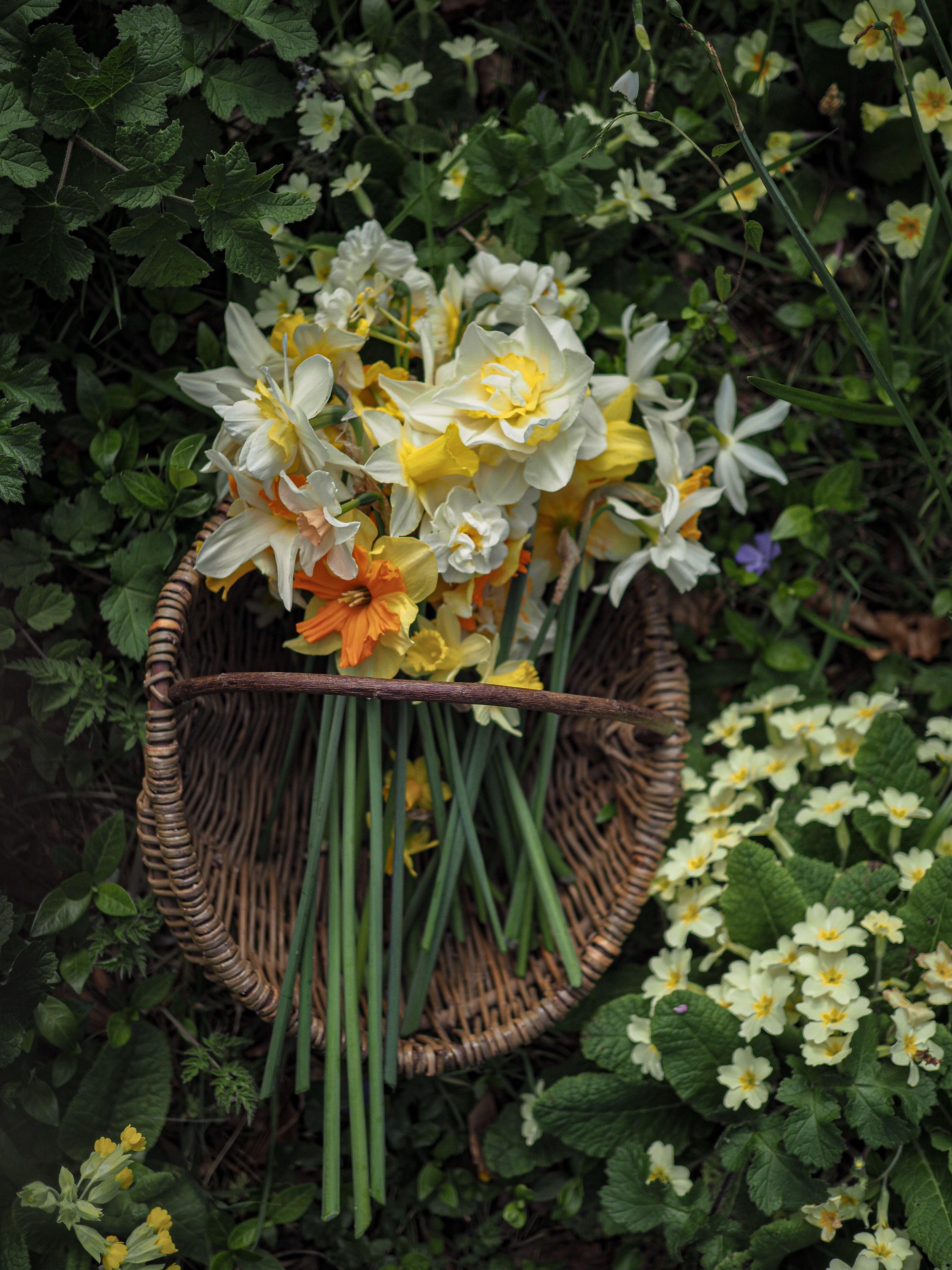
Easter weekend is here and I am thrilled about its arrival. I love Easter, it holds all the best bits of holidays like Christmas, but with far less stress, and usually a little more sunshine.
I’m a spring baby, born in mid-April, and over the years I’ve often found my birthday falling within the Easter holidays. All the presents and all the chocolate, two of my favourite things in the whole world.
This year Easter has arrived a little earlier, and the air still feels faintly wintry. We are in Norfolk, staying at my family’s beach bungalow with no electricity, and the sea just there beyond the dunes. The sun is shining, but it’s blowing an absolute gale outside, the tail end of Storm Dave sweeping through the north of the UK.
One of the downsides of moving to Devon is that it has taken me further away from my other favourite coastline, and further from my parents, who both live in Norfolk. So Easter is, without fail, the one time of year we travel the breadth of the country to be together, returning to the flat lands of East Anglia.
The more time I spend in Devon, the more I notice the dramatic differences in landscape. We live at the top of a hill, high above sea level, and so climbing has become part of daily life.
Here in Norfolk, everything is flat. The skies feel infinitely bigger, more expansive somehow than at home. The coastline stretches in one long, unbroken line of soft sand, edged with tufts of seagrass and the hardy, wind-battered sea buckthorn. At low tide, the sea retreats for miles, making swimming something that can only really be done once, or if you’re lucky, twice a day.
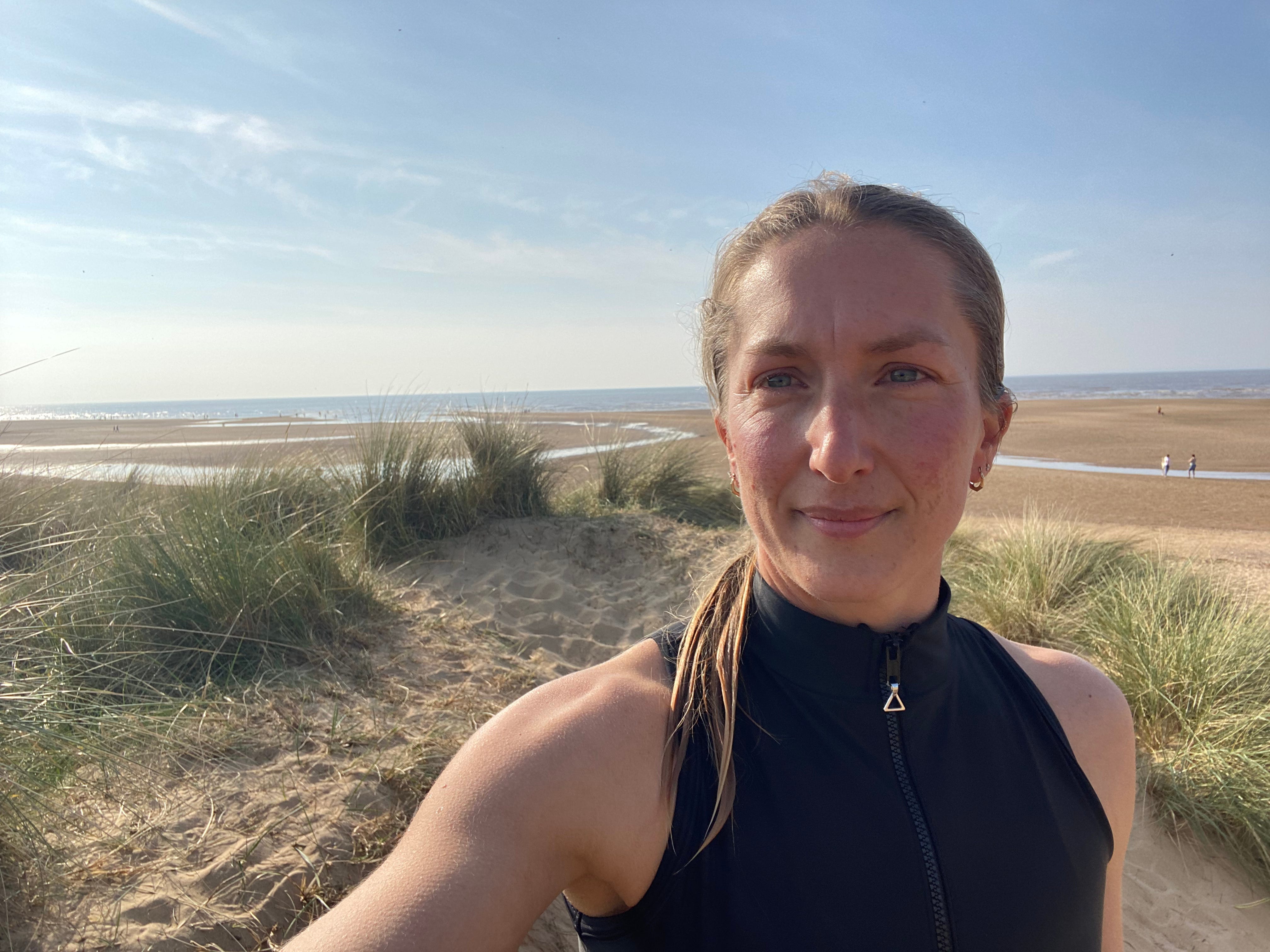
I remember as a child running out across what felt like endless mudflats when we stayed at the bungalow, the thick mud squelching between my toes, barnacles and winkles catching at my bare feet. We would be hauled back inside at sunset, scrubbed clean as the mud dried and cracked against our skin. I remember that feeling of complete freedom, being allowed to cover myself, and my brothers, in mud without a care in the world. My two boys love to do exactly the same now.
This coastline is so different from the cliff-edged, stone-strewn beaches we call home.
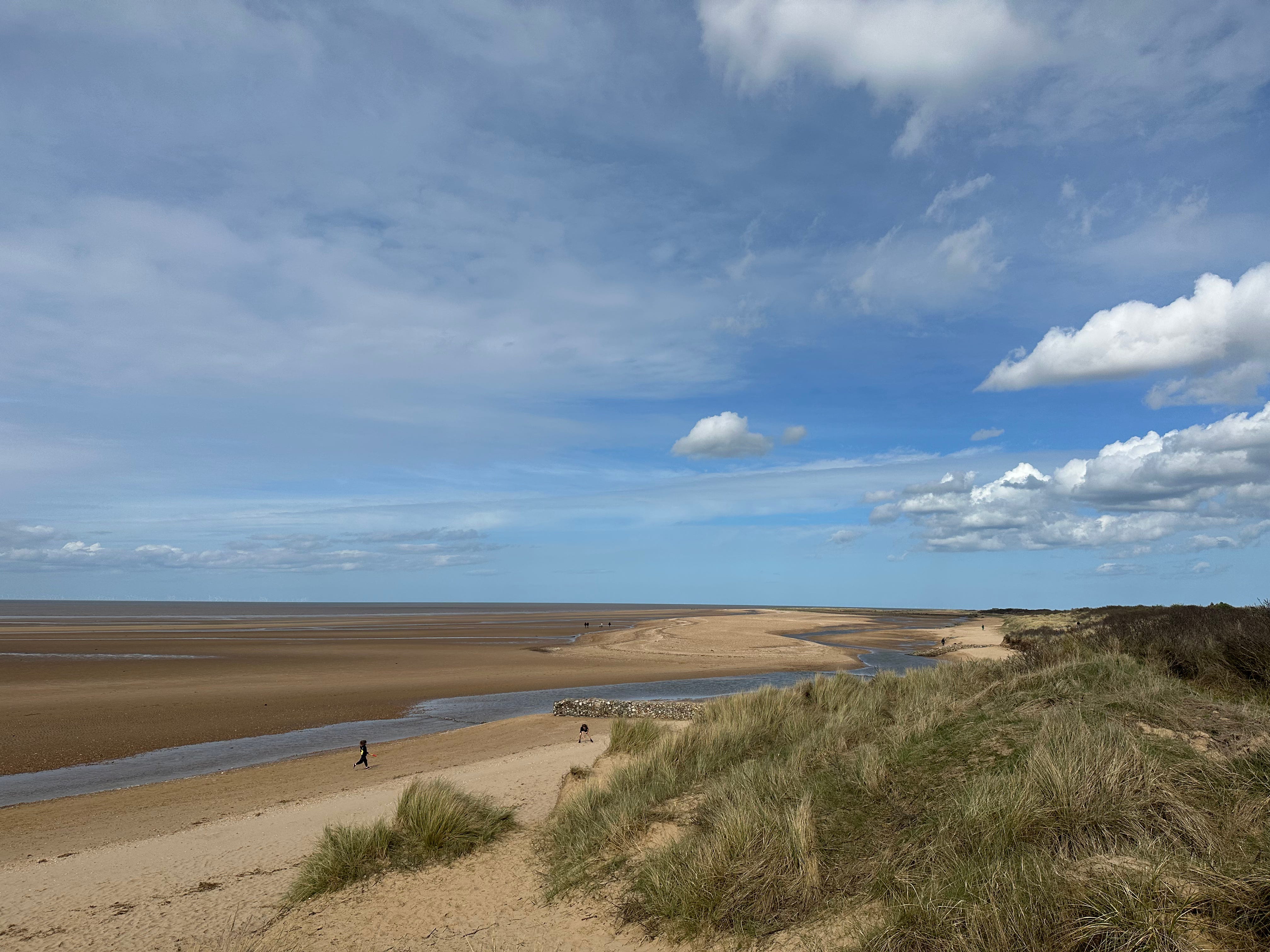
There are differences in farming here too. East Anglia is one of the most nature-depleted parts of the UK, with vast swathes of land given over to agriculture. Recently, there has been a move to reintroduce some of the many miles of hedgerows that were removed to make “better” use of the land, but it still feels, to me, stark and lacking.
I often find it strange that, over time, we have come to equate these monocultured fields with the English countryside, when in reality they offer so little to our native wildlife and environment.
It makes me appreciate the green land of Devon all the more. We are lucky to live in an area formerly designated as an Outstanding Natural Beauty, where farming is low intensity and fields exist in smaller pockets, broken up by ancient hedgerows. There is a marked difference in rainfall between the west and east of the UK, and it shows in the lush, green landscape we call home.
But no matter the differences in landscape, Easter in both places brings with it the visible signs of new growth. Norfolk, being that touch warmer than back home, has trees already in full leaf, and the vibrant yellows of narcissus are beginning to wane.
We watch the flocks of sparrows from the bungalow, pulling at tufts of soft grass and decaying stems, cramming their nests full. The beach beyond the dunes is cordoned off in places to protect ground-nesting birds from humans and dogs alike, as they carefully tend to their young.
During Covid, that first summer when things began to ease, we came to stay here. The birdlife was unlike anything we had experienced before. It’s always special (the bungalow sits within an RSPB nature reserve) but that year, with so few people around, it felt extraordinary. Turtle doves nested on the beach, and through binoculars we could see their unusual red eyes as they moved through the scrub. Further inland, spoonbills could be spotted from the shoreline, sweeping their beaks through the thick, silty mud of the flats.
But back to Easter, and all there is to love about this weekend.
